

1 Day Trip Egypt Fayoum Bird Watching

Tour Overview

Al Fayoum is widely considered the premier bird-watching destination in Egypt outside of the Nile Delta. Designated as an Important Bird Area (IBA) by BirdLife International, it serves as a critical stopover for millions of migrating birds and a permanent home for many resident species.

Al Fayoum is widely considered the premier bird-watching destination in Egypt outside of the Nile Delta. Designated as an Important Bird Area (IBA) by BirdLife International, it serves as a critical stopover for millions of migrating birds and a permanent home for many resident species.

  • Winter (November – February): This is the peak season. Massive flocks of waterbirds from Europe stay here to escape the cold. You are almost guaranteed to see flamingos during these months.
  • Spring & Autumn (Migration Seasons): Great for spotting "passage migrants"—birds stopping briefly on their way between Africa and Europe/Asia.
  • Time of Day: Start as early as possible (sunrise). The wind picks up around Lake Qarun by noon, making the water choppy and birds harder to spot.
    Target Species Checklist
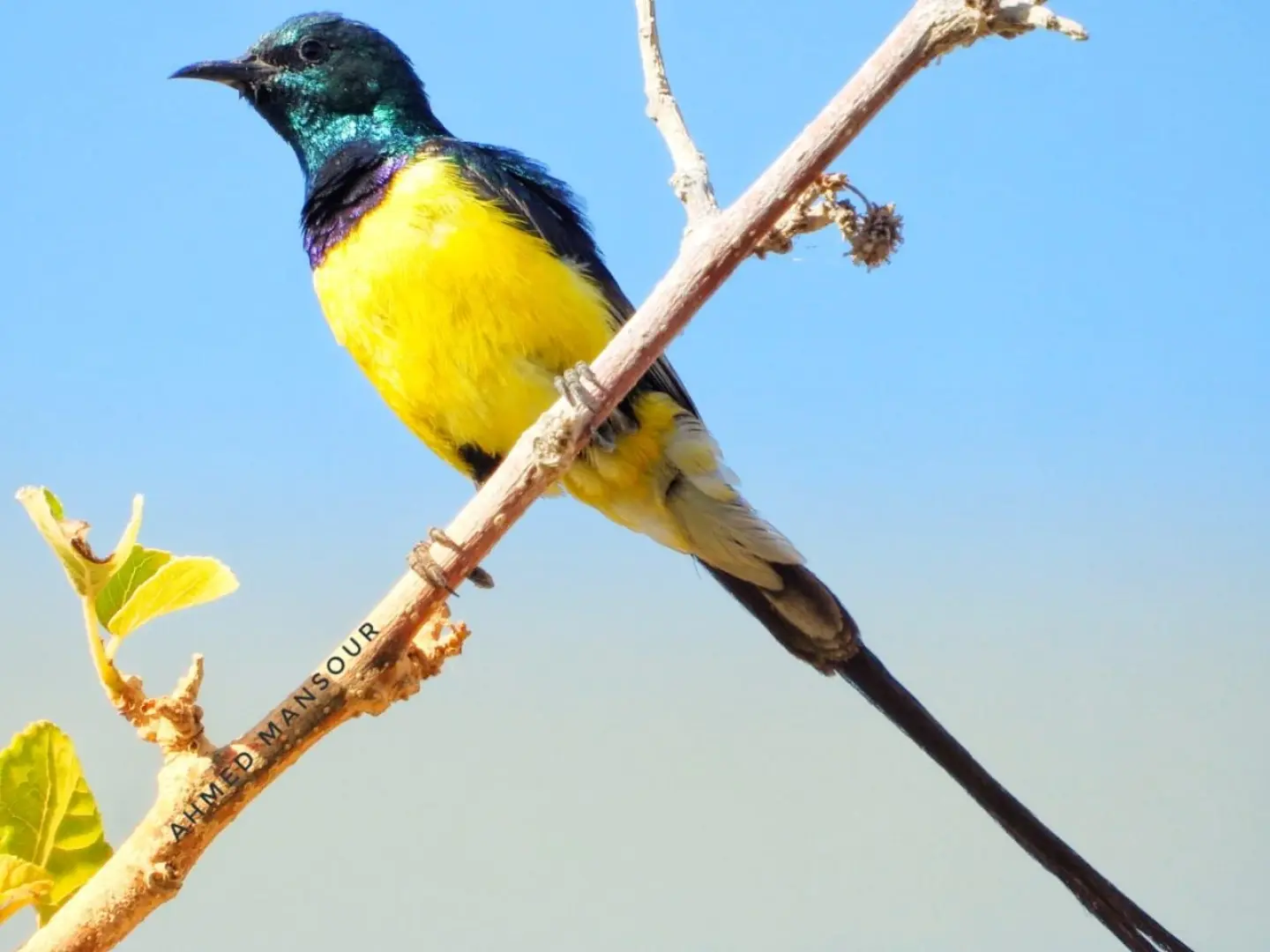
    Keep your binoculars ready for these key species:
  • The Stars: Greater Flamingos, Great White Pelicans, Glossy Ibis.
  • Waterfowl: Black-necked Grebes, Slender-billed Gulls, Shovelers, Teals, and Pintails.
  • Raptors: Ospreys (fishing eagles), Kestrels, and Marsh Harriers.
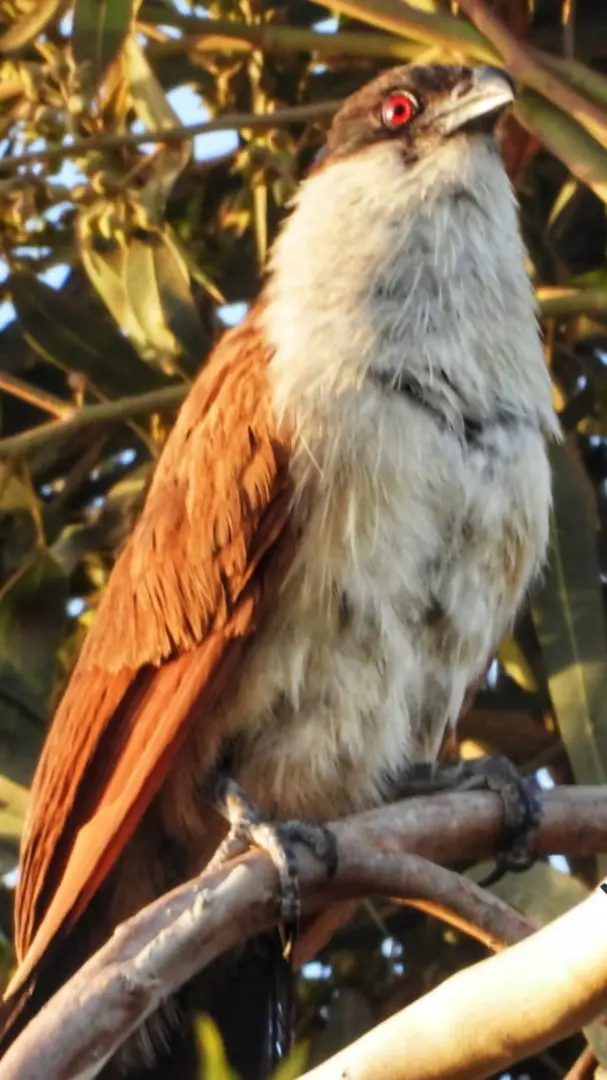
  • Residents: Pied Kingfishers (hovering over water), Cattle Egrets, and Senegal Coucals.
    The 1-Day Bird Watching Itinerary
    This route maximizes your chances of sightings by hitting the diverse habitats: saltwater lakes, freshwater waterfalls, and agricultural fields.
    Morning: Lake Qarun & Tunis Village

Cost Includes

Cost Excludes

1 Day

Trip Highlights

Still have questions?

Our travel specialists are happy to assist you!

Itinerary

Fayoum Bird Watching

Start at the eastern tip of the lake (near the Shakshouk area). The reeds here are dense and teeming with life.

  • Look for: Purple Herons, Moorhens, and Swamphens hiding in the reeds.

Move west toward Tunis Village. The water here is often calmer. Rent a small rowboat (felucca) for an hour to get closer to the birds without scaring them.

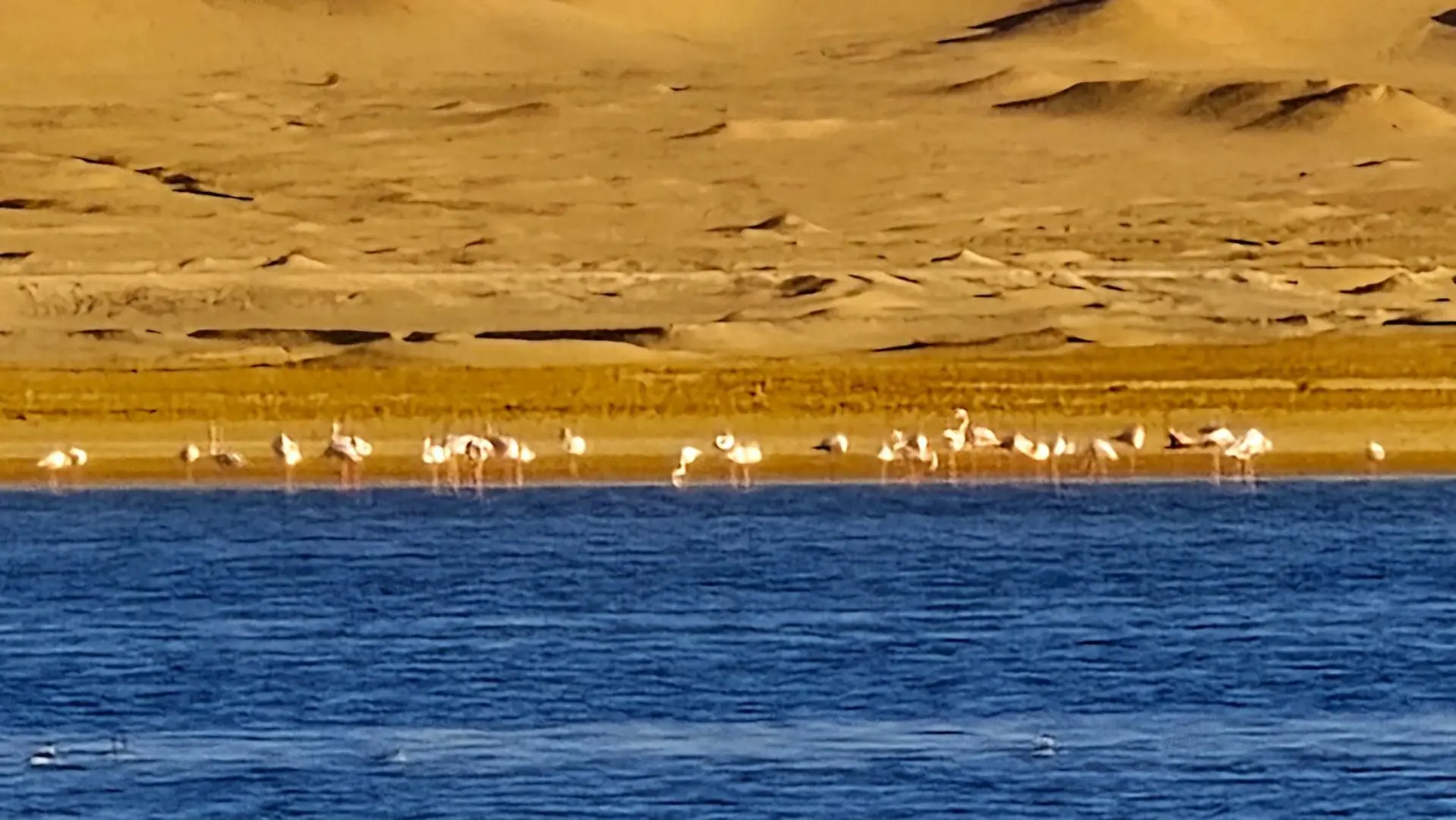
Look for: Large flocks of Greater Flamingos (often seen standing on one leg in the shallow water) and Slender-billed Gulls.

As you drive from Lake Qarun toward Wadi El Rayan, you will pass through lush farmland. Do not sleep during this drive!

  • Look for: Bee-eaters (bright green birds on phone wires), Hoopoes, and Kestrels hunting for field mice.
    Afternoon: Wadi El Rayan Protected Area

This lake has fresher water than Qarun, attracting different species. The dense vegetation around the edge is perfect for waders.

  • Look for: White Storks (during migration) and various Plovers

The connection between the upper and lower lakes creates a dynamic environment.

Look for: Pied Kingfishers. This is one of the best spots in Egypt to photograph them as they dive-bomb into the water to catch fish near the falls.

End your day here. The quiet desert surrounding the lake is home to different bird types.

  • Look for: Desert Wheatears and Larks.
    Practical Tips for Birders
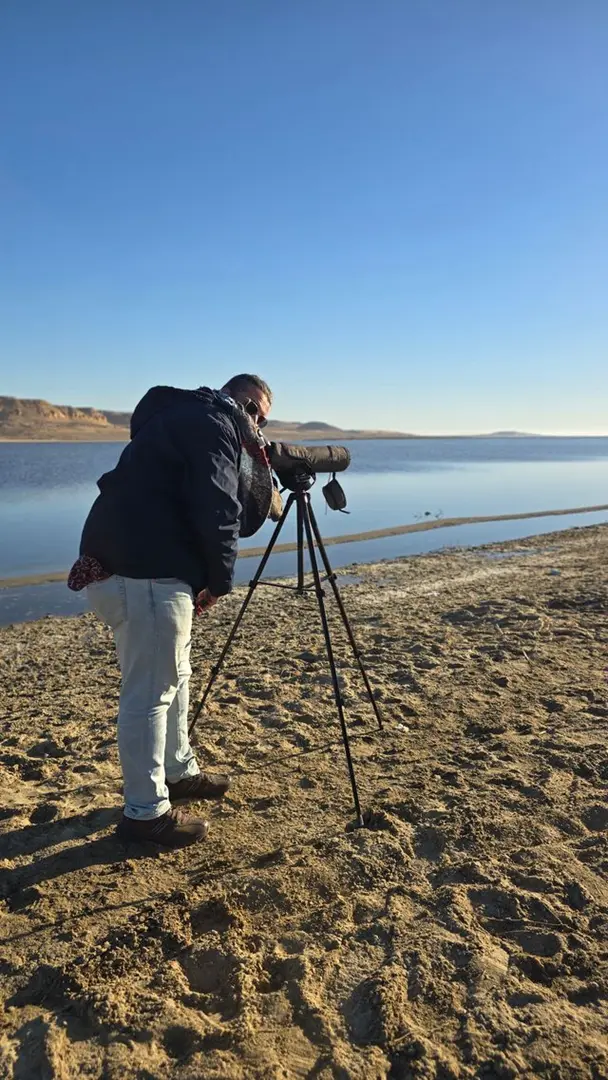
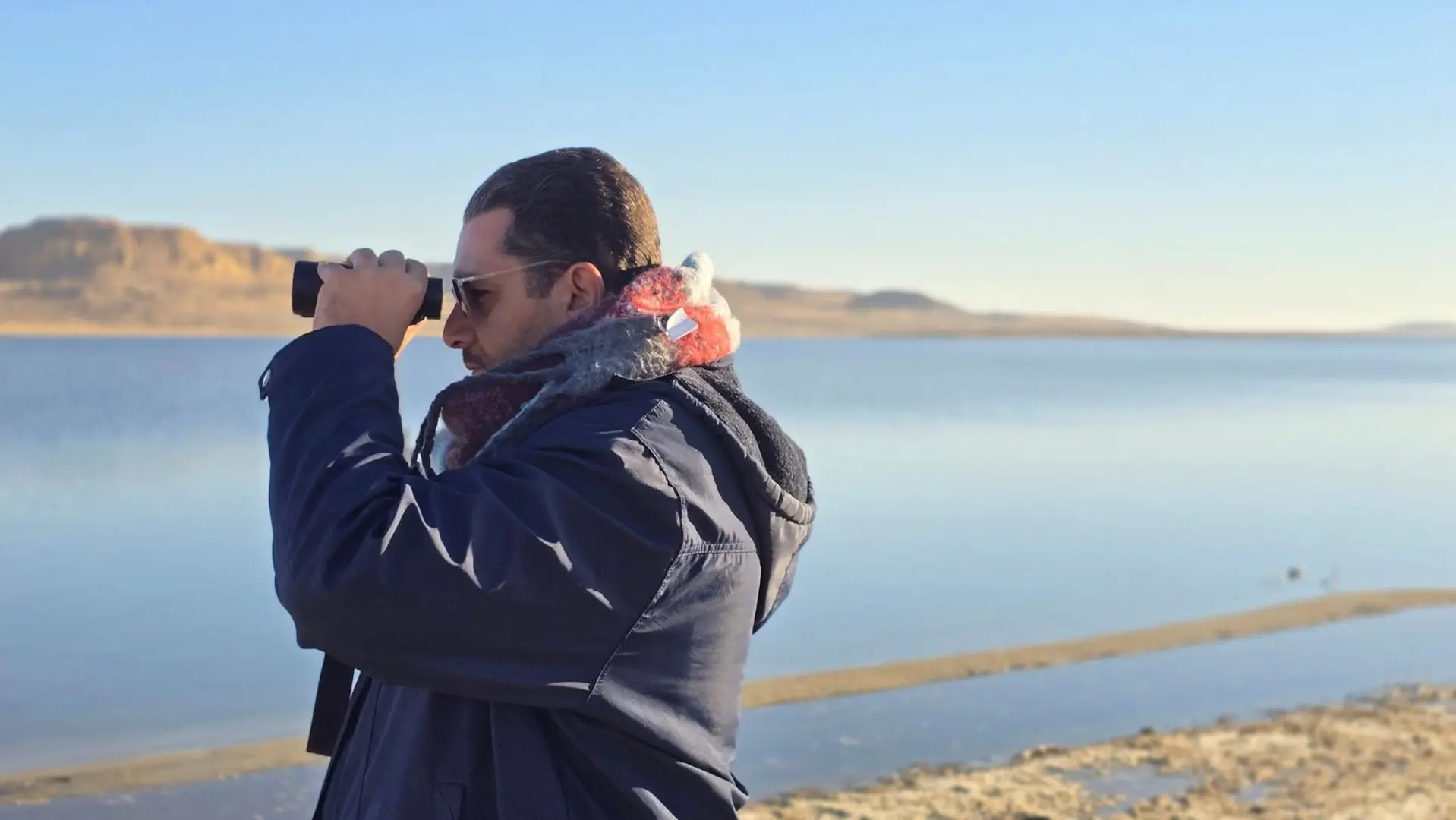
  • Gear: A camera with a decent zoom (at least 300mm) is highly recommended, as waterbirds can be skittish. Binoculars (8x42 or 10x42) are essential.
  • Clothing: If visiting in winter, it gets very cold and windy near the open lakes. Wear a windbreaker and layers.
  • Silence is Key: The birds in Fayoum are wild, not park birds. Loud noises will clear a shoreline in seconds

Related Trips

Discover Travel Insights, and Must-visit Destinations